Loading...
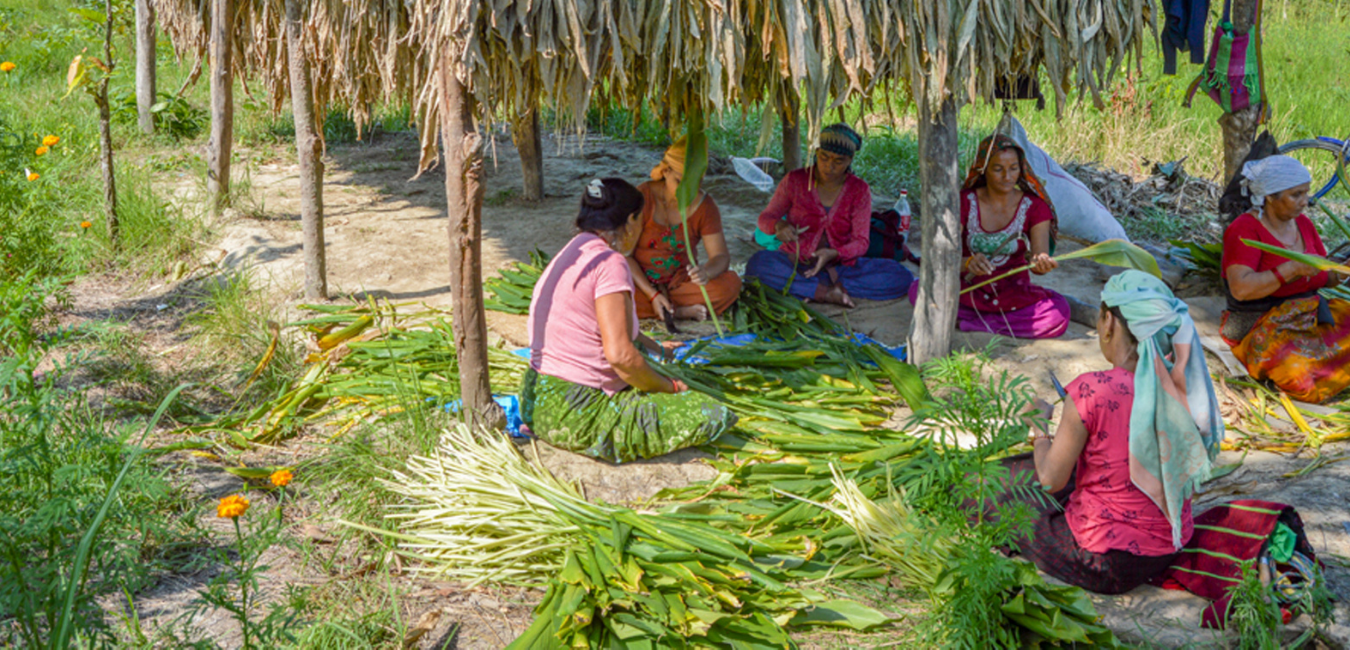
WCN is advancing public engagement beyond awareness and conservation towards building a greener, circular and inclusive economy. This approach recognizes that Nepal’s transition to sustainability requires changes in how we produce, consume, work, innovate and create livelihoods. WCN brings together youth, women, communities, businesses, government, academia and civil society through platforms that transform environmental awareness into skills, enterprise, innovation and collective action.
Over the years, WCN has supported initiatives that contribute to the green transition of Technical and Vocational Education and Training (TVET) systems and economic sectors, integrating environmental sustainability, resource efficiency, climate responsiveness and green skills into learning and livelihoods. This work is increasingly aligned with Nepal’s Nationally Determined Contributions (NDCs), which provide an important framework for supporting the country’s climate commitments and sectoral transition.
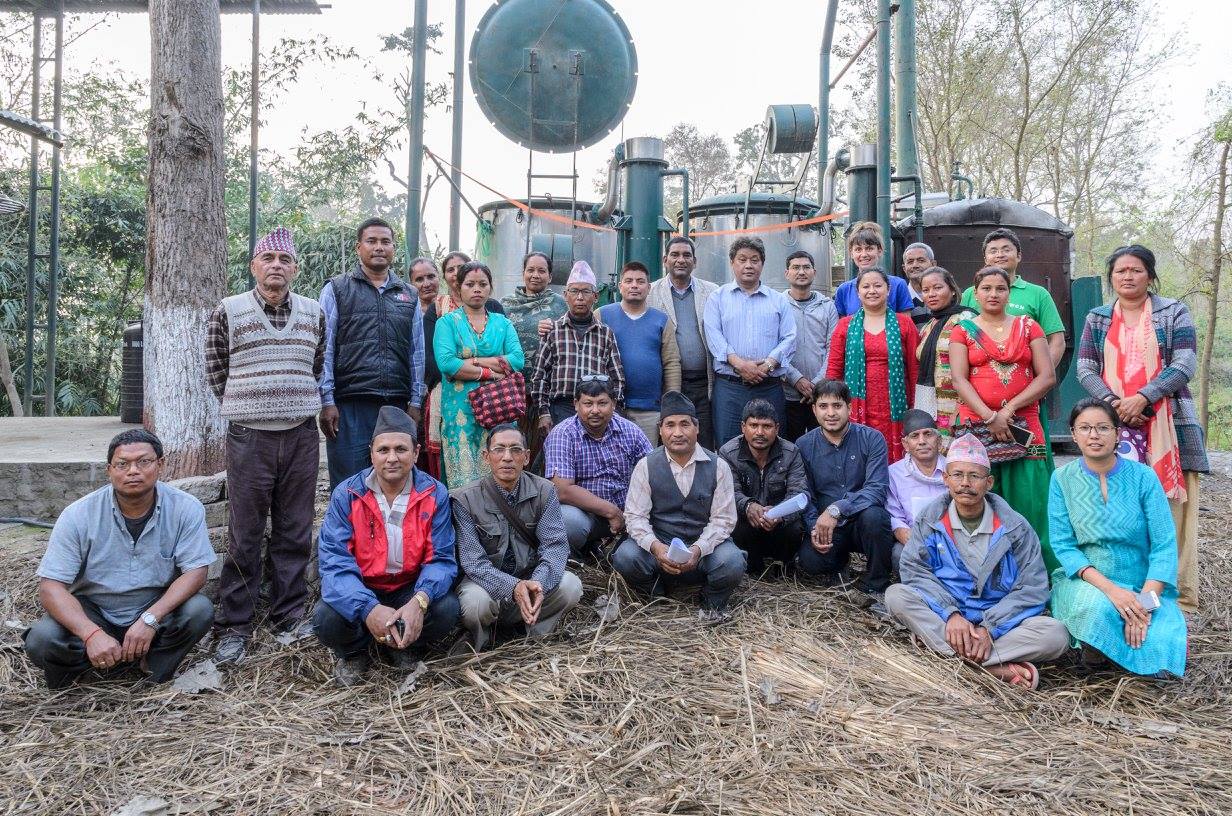
Within this broader journey, Roots of Circularity (RoC) represents an important step in WCN’s work. Implemented with partners under the EU-supported RoC initiative, the program has helped bring circular economy thinking from policy and awareness into enterprises, education, skills development and sectoral practice. Through enterprise incubation, capacity building, curriculum engagement, policy dialogue and multi-stakeholder partnerships, RoC is creating pathways for young people, entrepreneurs and institutions to participate in Nepal’s emerging circular economy.
Building on this foundation, WCN is supporting the government and other stakeholders in green-transitioning priority sectors, including manufacturing, hospitality and eco-tourism, wellness, arts and crafts, and other emerging green and circular value chains. The focus is on identifying opportunities for resource efficiency, waste reduction, sustainable production and consumption, green skills, innovation, green jobs and circular business models, while strengthening the enabling ecosystem of policy, finance, markets, technology and partnerships.
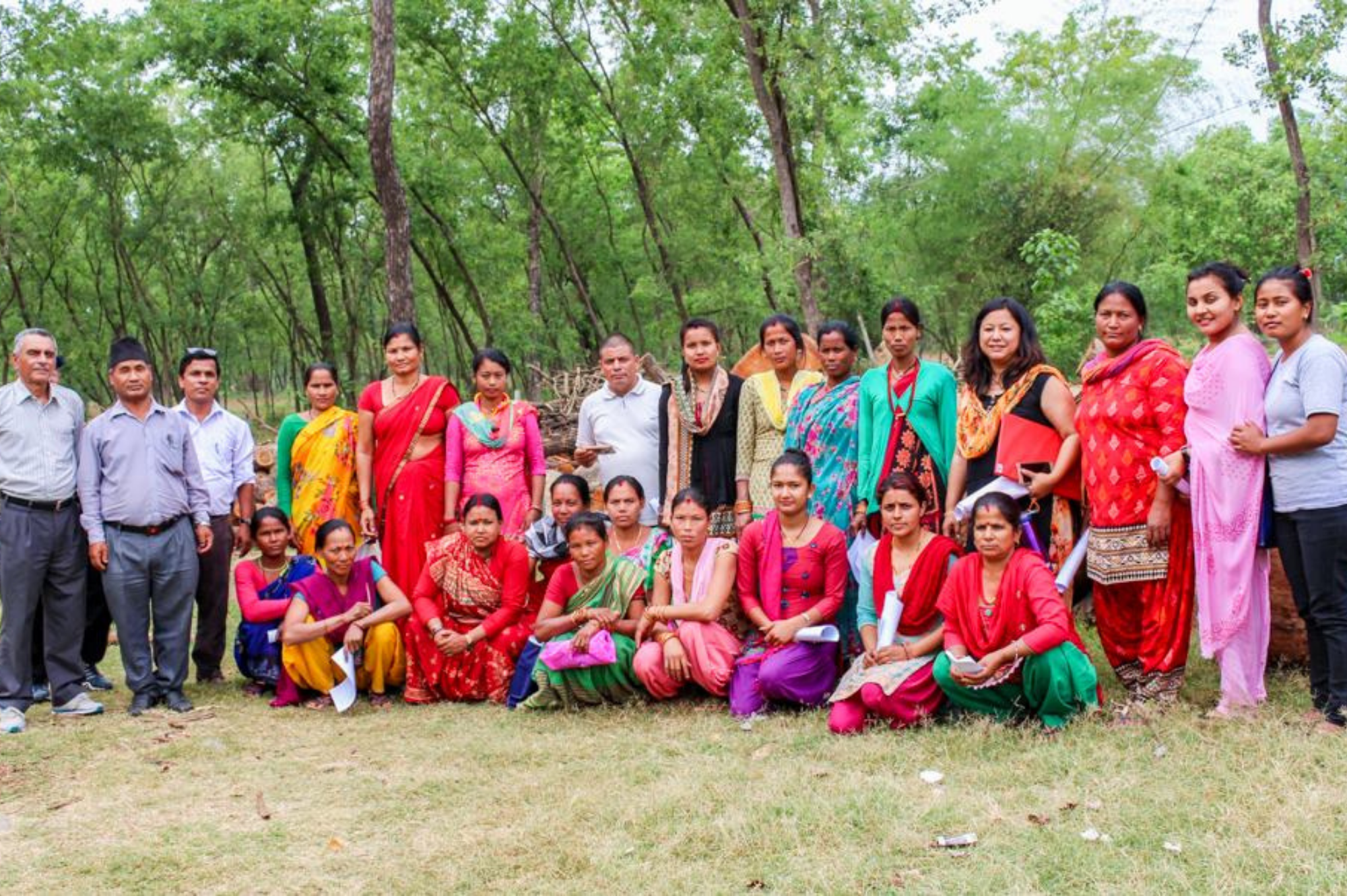
Greening the workforce and TVET ecosystem is a key dimension of this work. WCN seeks to equip young people not only to access employment, but also to become green entrepreneurs, innovators and creators of new livelihoods. By connecting skills development with emerging market opportunities, WCN aims to ensure that Nepal’s green transition is inclusive and creates meaningful economic opportunities for youth and women.
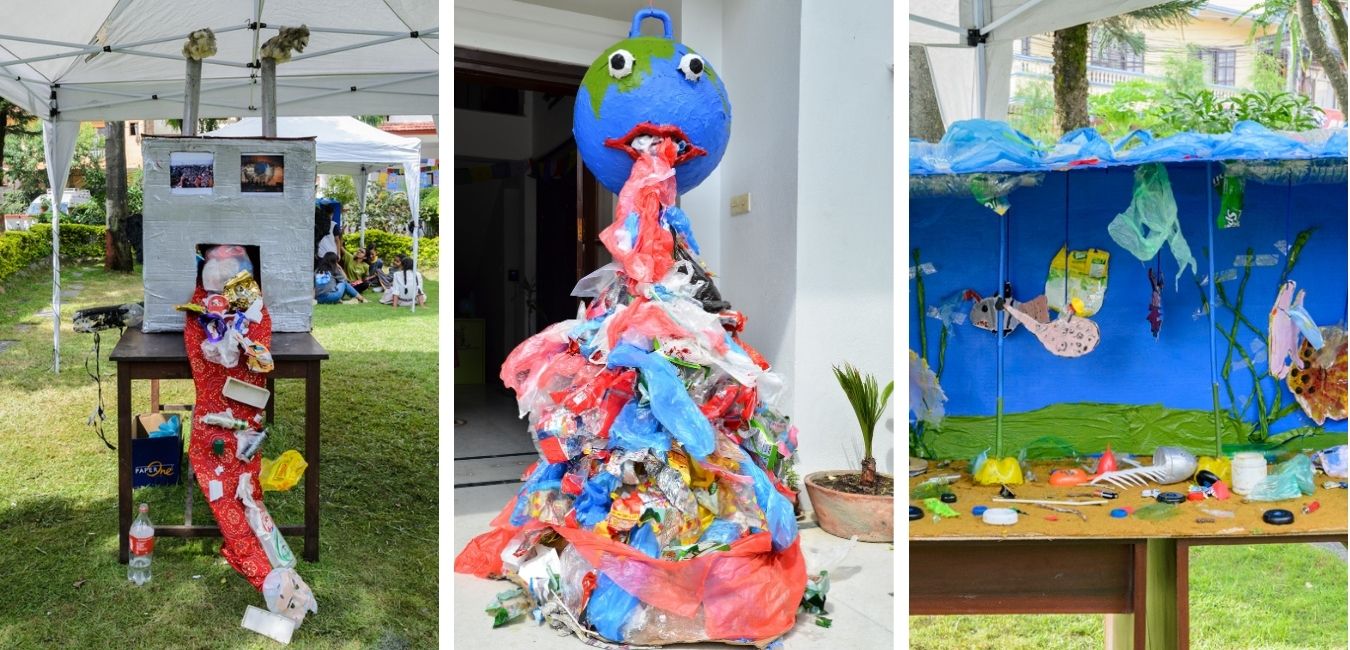
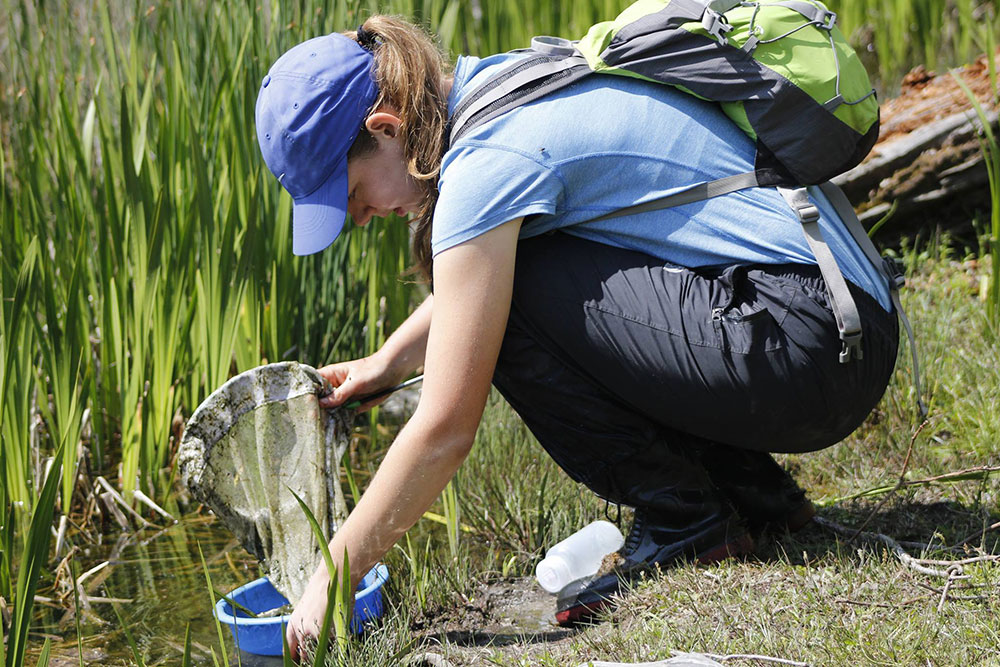
WCN also recognizes that policy transformation must be accompanied by public participation and behavioral change. Through art, photography, radio, film, citizen science, public campaigns, youth platforms and community engagement, WCN creates spaces where people can understand and participate in the transition towards sustainable lifestyles and economies.
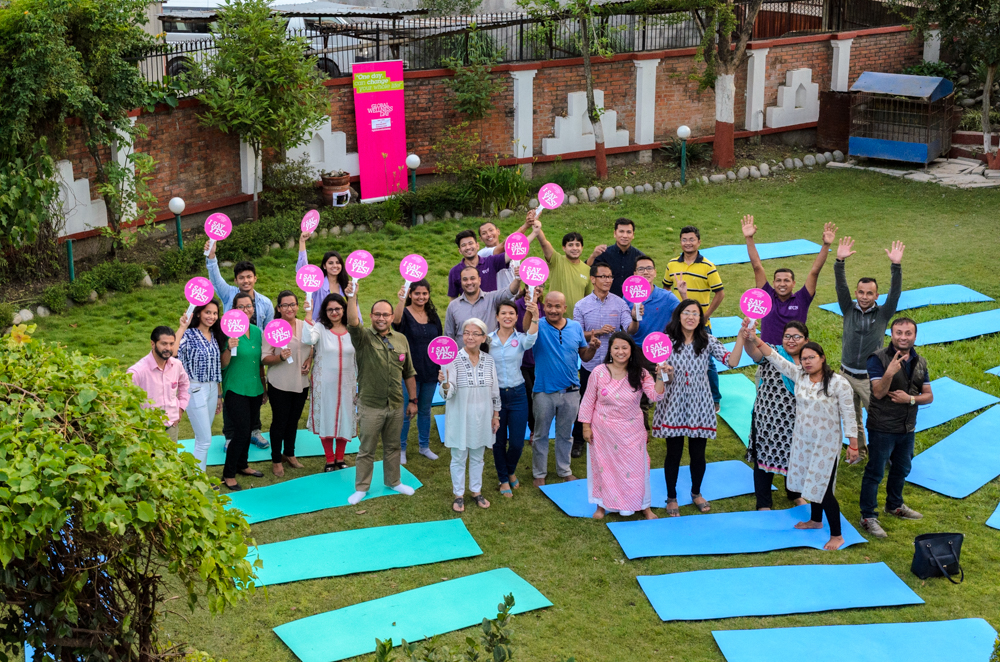
Youth remain at the heart of this approach. Through volunteering, enterprise development, innovation platforms, green skills and leadership opportunities, WCN is nurturing a generation of young people who can move beyond being environmental advocates to becoming entrepreneurs, professionals, innovators, policy influencers and leaders of Nepal’s green and circular economic transition.
In this way, WCN’s public engagement is evolving into a broader platform for NDC 3.0-aligned green transformation connecting policy with people, skills with enterprise, and environmental ambition with sustainable economic opportunities.
WCN believes that conservation of nature is possible only when people of all works of life come together. WCN uses different platforms and mediums as advocacy tools for nature conservation. WCN works with photographers, artists, writers, and groups from different backgrounds to ensure positive dialogue and action for nature conservation.
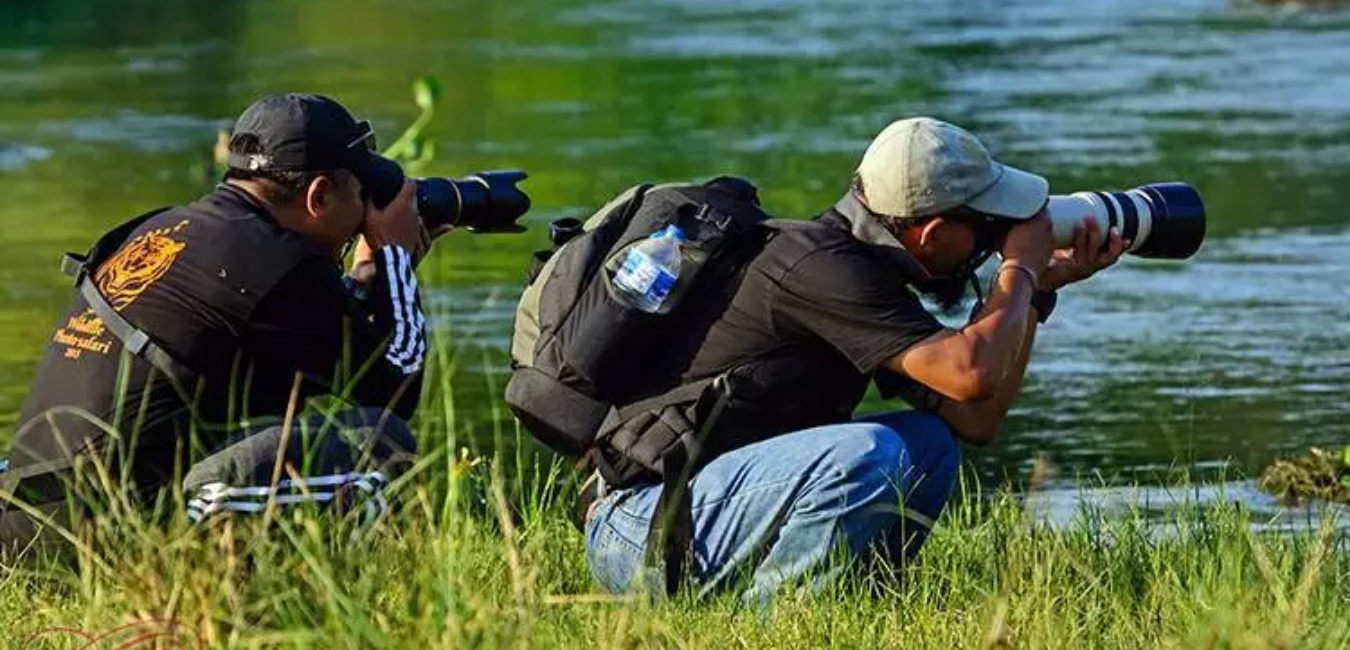
Nature through lens is an annual Nature...
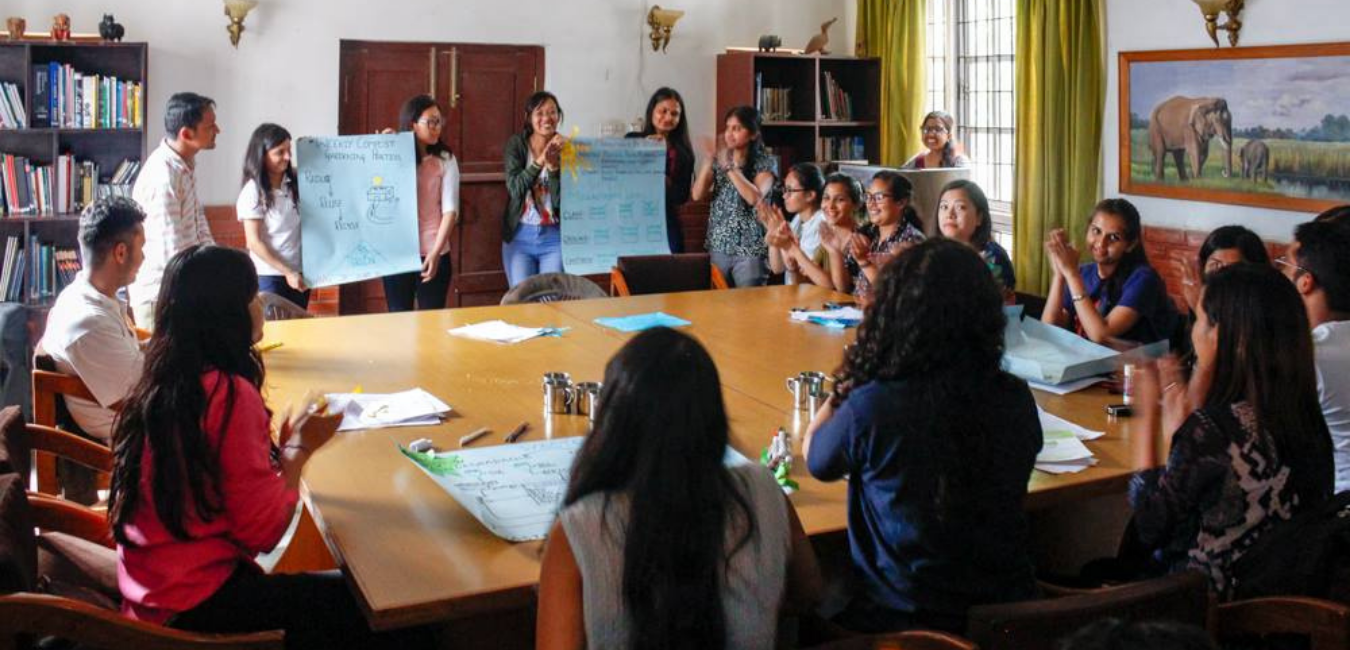
The Youth Environment Program promotes and implements...
Open and green spaces are very important to human lives. Although its importance in cities, towns are more essential because urbanization usually occurs at the cost of these green spaces.

House No. 135, Nayabasti Marg, Baluwatar, Kathmandu-4
Tel: +977 1 437 5460, +977 1 437 5267
Email: mail@wcn.org.np
© Wildlife Conservation Nepal . Developed by Eleven Pixels.